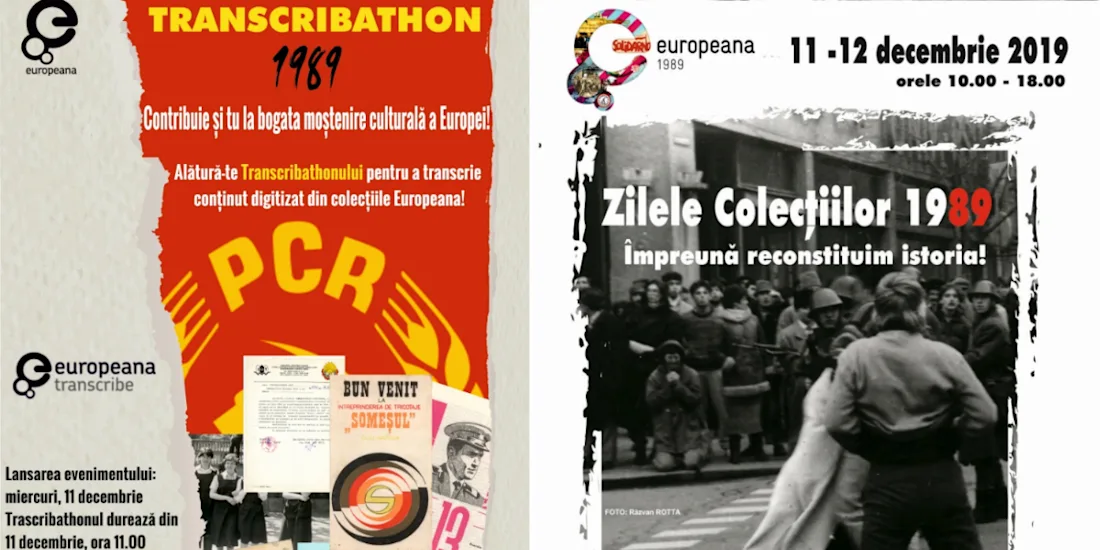
To mark the events of the 1989 Revolution in Romania, the Cluj County Library (Octavian Goga) organised a series of activities with Europeana. The events focused on using digitised cultural heritage material to encourage younger generations to discover past events, understand recent history and preserve memorabilia from the communist period.
Collection day
Europeana Collection days invite people to share their personal stories - in this case about the revolutionary events of December 1989. They are a great opportunity to engage with local communities, whose stories and related items will be recorded for posterity and preserved online. This helps to tell the story of Europe and the people who live there.
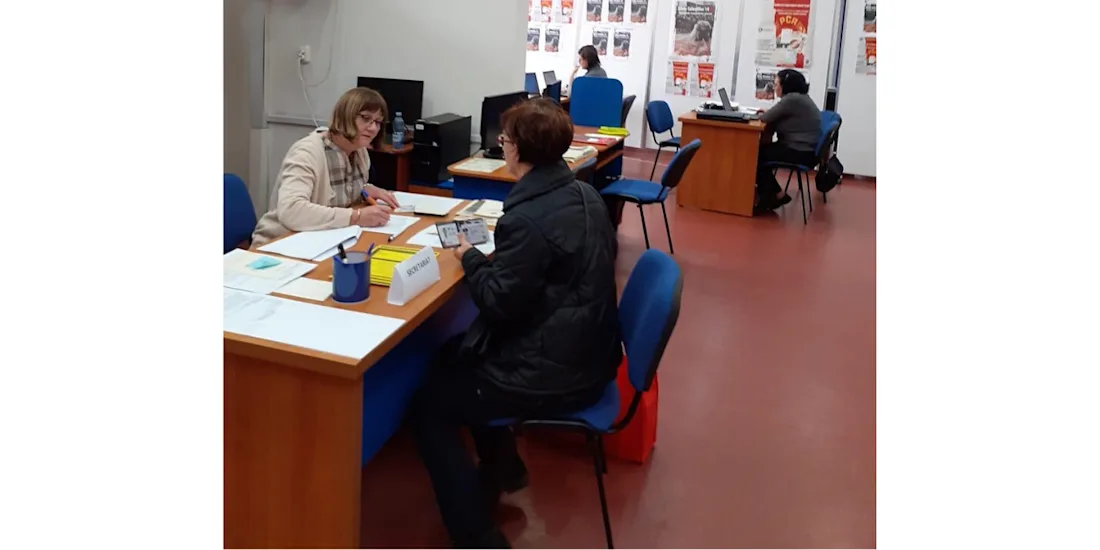
During the Collection Day at the Cluj County Library, a number of documents and personal stories were gathered from people who lived in that time or from their successors. 138 objects were digitised and described at the event, including photographs, newspapers, posters, cards, notebooks, journals, albums, toys, decorations and awards.
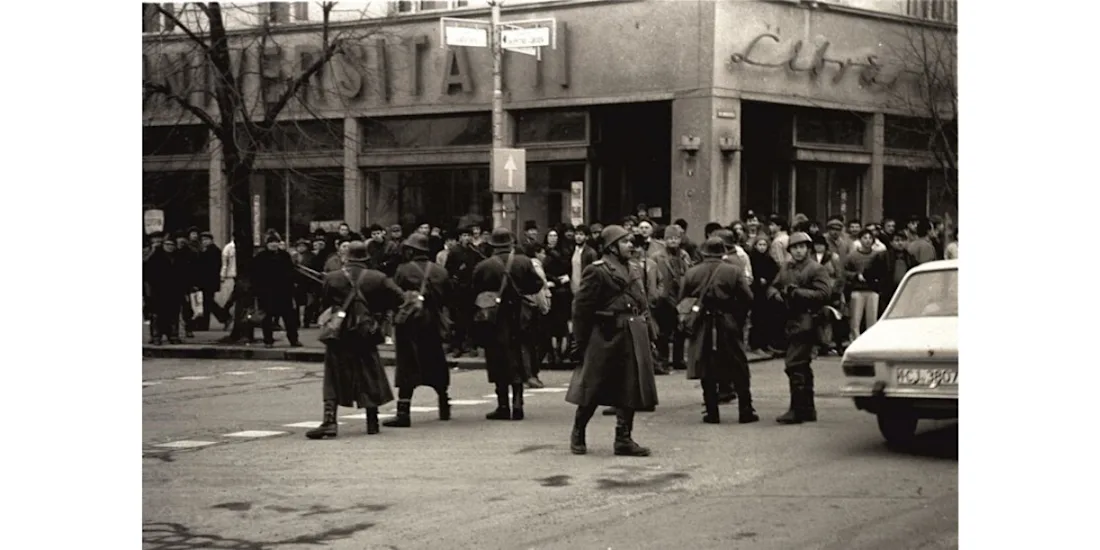
We found that people who took part in the Collections Day were delighted to share their life experience and memories from that period and by the opportunity to contribute documents to this project. A series of documents that particularly drew our attention were the photographs taken by Professor Răzvan Rotta during one of the the tragic events that took place in Cluj-Napoca in December 1989, when 45 people died at the hands of military personnel. The 24 photographs that he took of the event will now be made available through Europeana Collections.
Transcribathon
The objective of the Transcribathon was the transcription of documents collected by the library at the the first edition of the Europeana 1989 Collection Days in July 2019. Eight people participated in this competition, divided into four teams.
At the end of the competition, each team had to present the content of the transcribed documents, their impressions and suggestions for improvement. One participant commented, ‘I learned that documents such as the ones we had to transcribe, are vital for our cultural preservation and I look upon this process of transcribing with more respect than I did before’. Another said, ‘I’ve learned more about the events of 1989, the public perception, and the way documents were written then.’
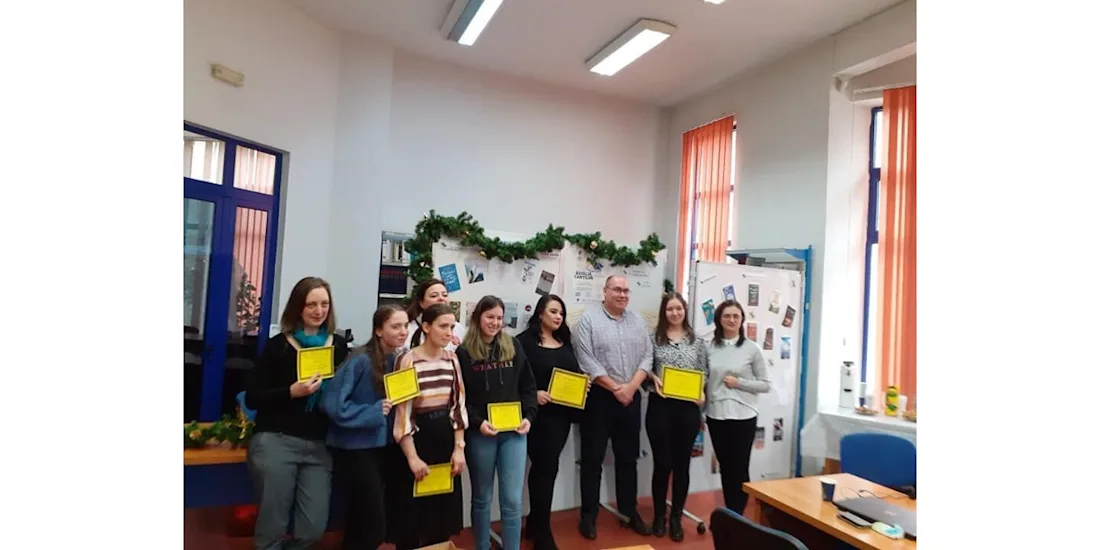
The jury nominated the winning team based on the quantity and quality of the transcribed documents and their presentation. The winning team was made up of Andreea Pop and Adelina Beșleagă. The event ended with the awards ceremony.
Europeana in Education
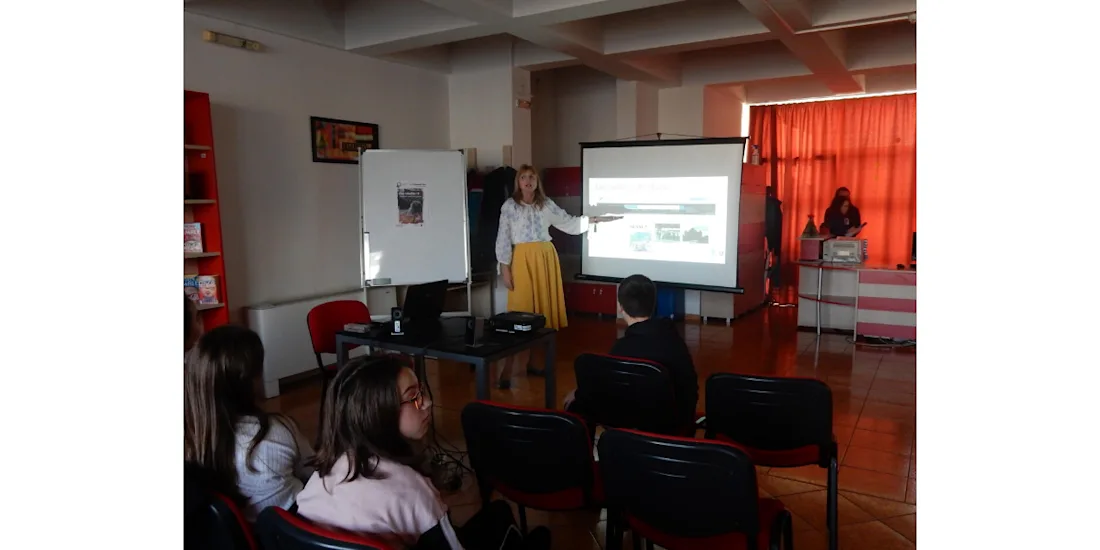
A further event took place at the Teenagers’ Department in December, where Sorina Stanca, the manager of the library, talked about ‘Europeana in Education’. In her presentation she explained how students and teachers can search the portal and what kind of objects they can find, showing examples of objects with Romanian provenance. On this occasion, the young students also had the opportunity to meet and speak with two participants at the 1989 Revolution in Cluj. In a lively debate the students seemed well aware of how different their lives would be if the revolution had not taken place.
All in all, Cluj County Library looks back at a successful event where we engaged with our local community, young and old, on various levels.
The next Transcribathon event around the theme 1989 will be on 24 & 25 January in Wroclaw, Poland, organised by the Lower Silesia Association for Health Culture and Sport NSZZ 'Solidarność' and the University of Wroclaw, coordinated by Enrich Europeana partner the Poznan Supercomputing & Networking Center (PSNC).