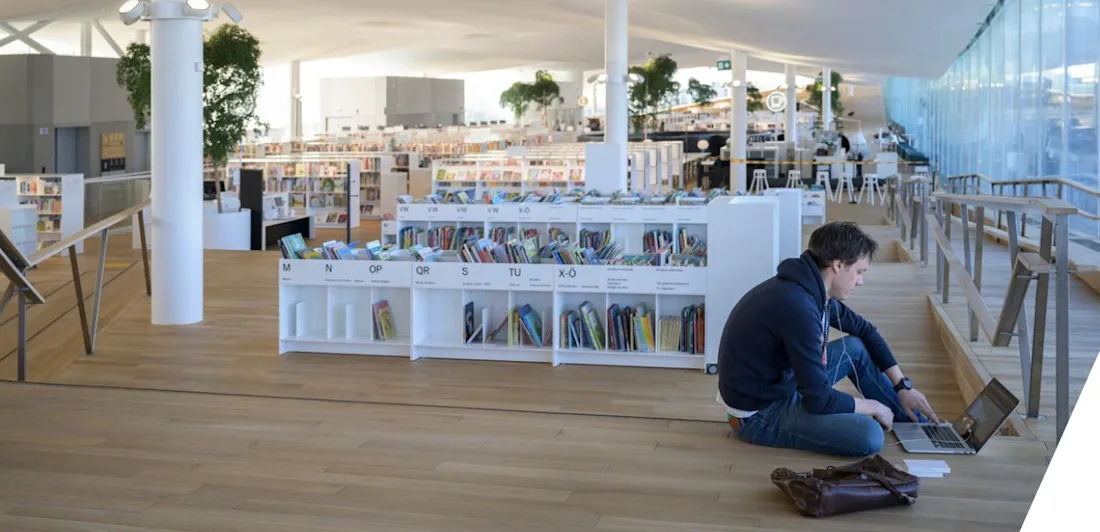
The Built with Bits initiative brings together educators, students and citizens with local cultural heritage institutions to work on developing digital spaces. Giving students the chance to work with cultural heritage professionals creates space to interact, to exchange tools and knowledge and to tackle local issues together. Working with these institutions helps students to acquire more knowledge about local heritage and inspires them to develop projects with positive impact. It also teaches them digital skills and media literacy.
In the most recent edition in 2023, 10 teams took part, involving 11 educational institutions (schools and universities) and 6 cultural heritage institutions from 10 cities. Read on to discover more about the digital spaces that the teams built and the lesson that they offer for educators and cultural heritage professionals using virtual spaces (such as Mozilla hubs) to teach digital skills.
Tell traditional stories in innovative ways
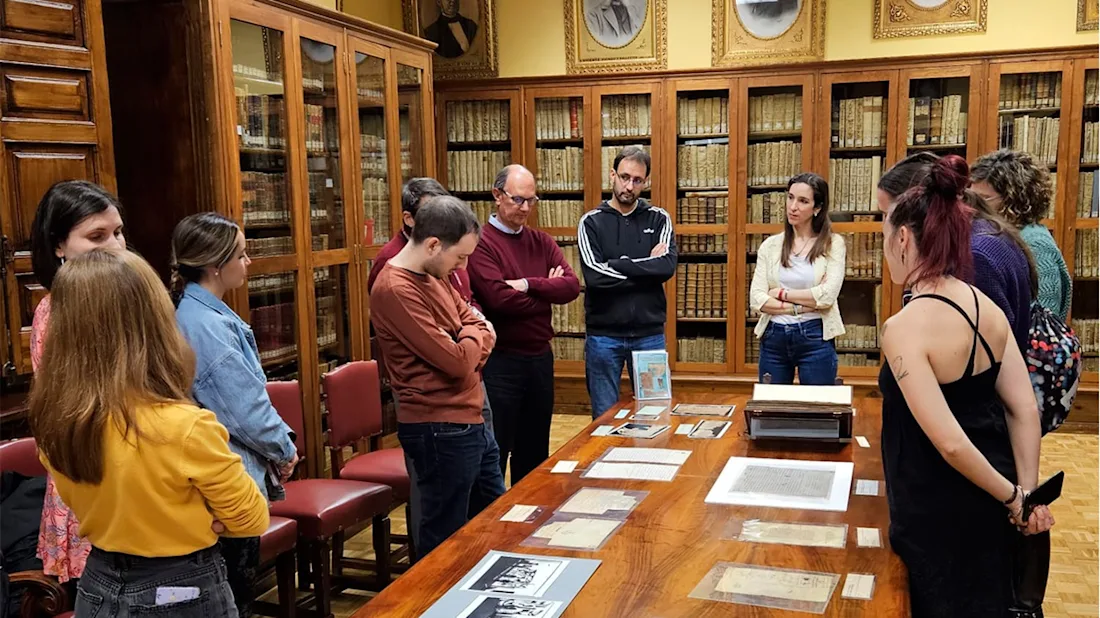
One team got involved with Spain's National Archive by exploring the trial documents related to the murder of Diego Troncoso, famous because it was one of the first documented criminal cases (early 18th century). They created a virtual escape room to recreate the original scene of the murder and created a narrative to explain how the case was solved.
Link your project to participative actions with your local community
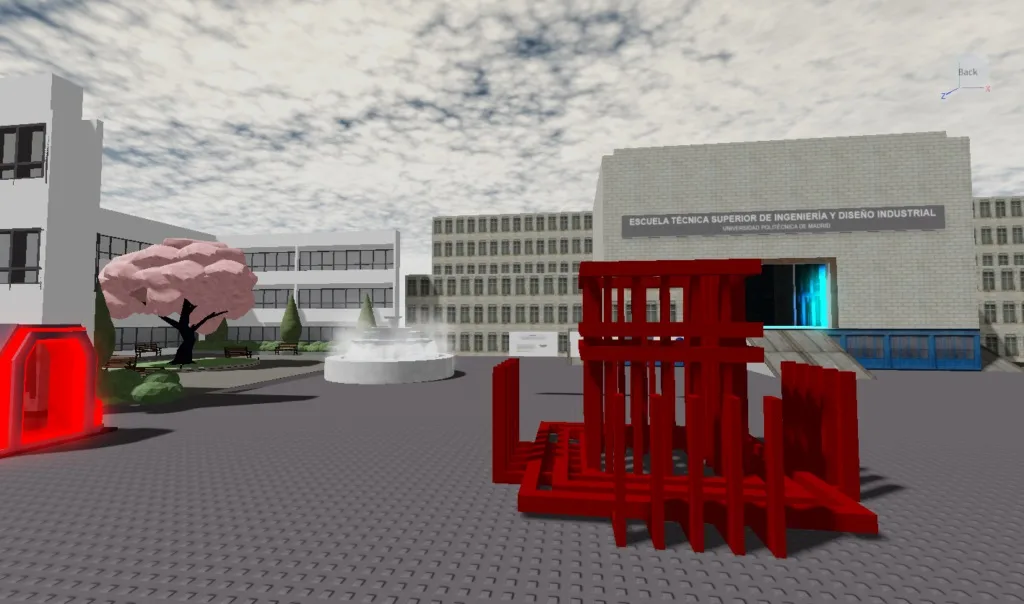
The project undertaken by the ETSIDI (Engineering and Industrial Design School. Madrid) supported residents from the neighbouring Lavapiés and Embajadores districts in Madrid. This community was worried about the air quality in their streets, so ETSIDI’s students set up an air quality measuring station to capture and share data online. They also created an immersive virtual space to raise awareness and address the different social, cultural and educational issues of the area.
Give students creative ways into the stories and content
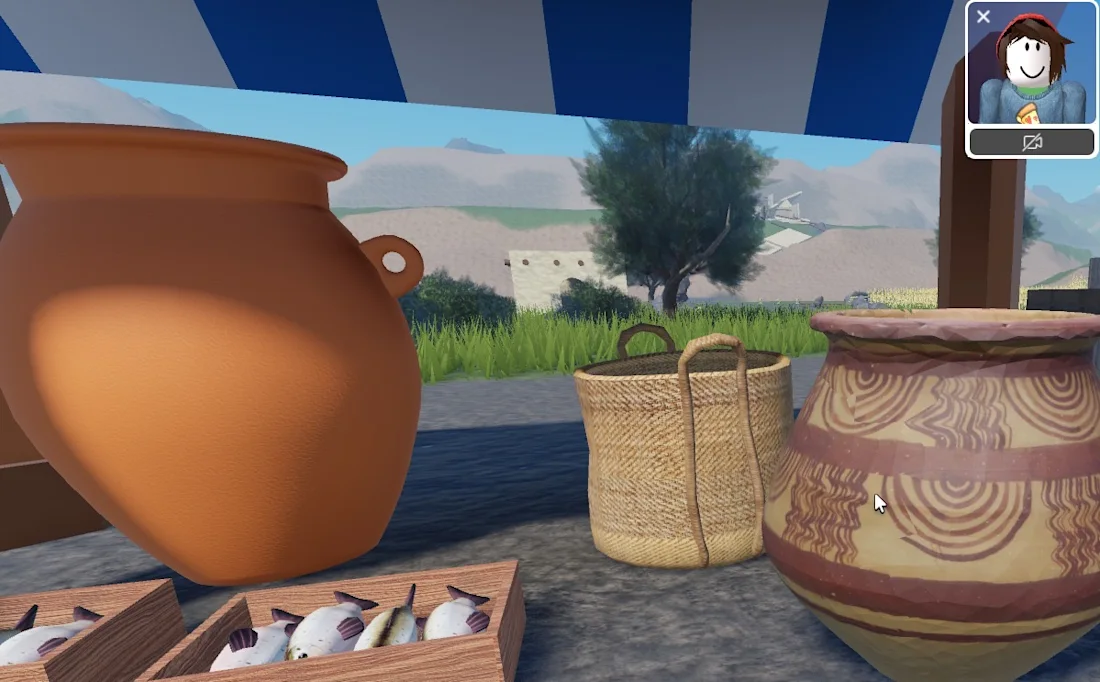
Students from different countries in the Mediterranean met each other virtually through the Oppidum project. The Oppidum team creatively shaped an open-world in Roblox based on the actual Mediterranean Sea, where you can walk and sail to visit different ancient coast towns and their archaeological artefacts. They held a demo experience with two schools from Spain and Italy.
Invite local students to explain history from their perspective

The Federation of European Napoleonic Cities (FECN) longed to join different cities from this network through the creation of an ecosystem of interconnected spaces. The interactive space became real thanks to schools from the city of Aranjuez (Spain) and one from the city of Luca (Italy), whose students built a space representing emblematic places of the town of Aranjuez.
Bring cultural exchanges from the past to present to life
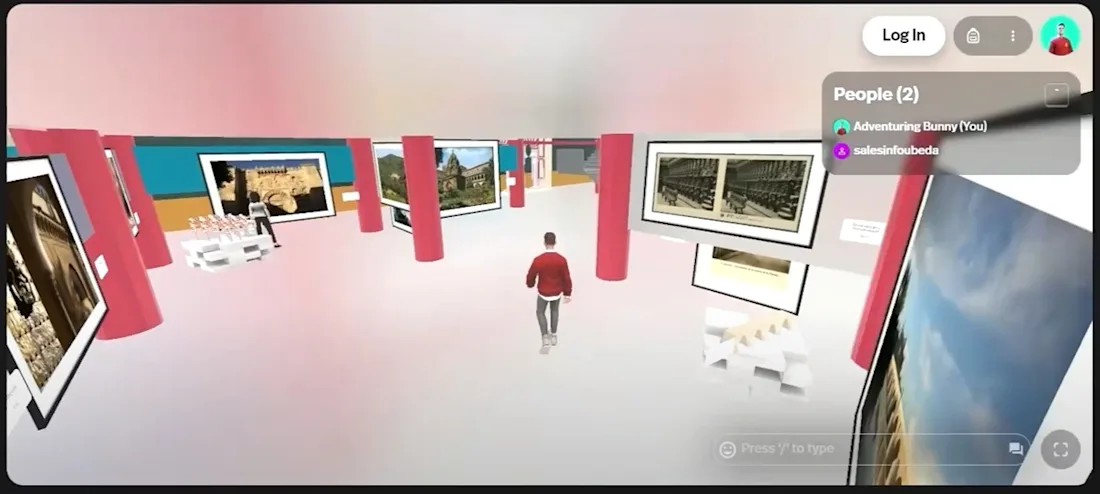
A school from the city of Úbeda (Andalusia, Spain) wanted to give users access to different stories and collections through a common virtual world in Roblox and in Spatial to foster knowledge exchange in four key locations from the Mediterranean Sea. From each of these virtual locations you can access museums and stages showing items from different ancient eras, thanks to portals which instantly take you from one place to another.
Develop activities that extend virtual space to real space

Giravolt's team (a project from the Catalan Agency for Cultural Heritage) created a digital manifestation of a virtual space in the Sant Climent de Taüll Church to commemorate the 900th anniversary of the building. They made a 3D digital recreation of the church, where each exterior and interior wall became a blank canvas that school students could decorate as they wished.
Use your virtual space as a digital citizen lab

A group of 45 students and two teachers from Journalism in the Complutense University of Madrid worked on a project to build a virtual environment with a digital citizen laboratory located in the Monastery of Suso, in La Rioja. They aimed to reach a wider public through media literacy projects. The projects displayed in their virtual world explored topics from cyberbullying to fake news, helping users to learn about important topics relevant to media literacy.
Document live activities sustainably
The Fallas of Valencia is a traditional seasonal celebration, taking place for five days in March in Valencia, Spain. During this festival, large artistic monuments called ninots are created, paraded around the city and eventually burnt. These fleeting but culturally significant festivities have been immortalised by the Valencia Arts and Design School's teachers and students through a virtual space, making it a sustainable way to allow people to experience the Fallas festival year-round.

Redesign how your visitors interact with art
The Thyssen-Bornemisza Museum (Madrid) collaborated with students and teachers to highlight 10 works from its collection which depict women carrying out everyday activities. In a virtual room, these paintings are exhibited together. The spaces shown in these paintings, often terraces or rooms, have also been virtually recreated, allowing you to step into this immersive space as if you were stepped into the paintings themselves - a novel way to interact with artworks.
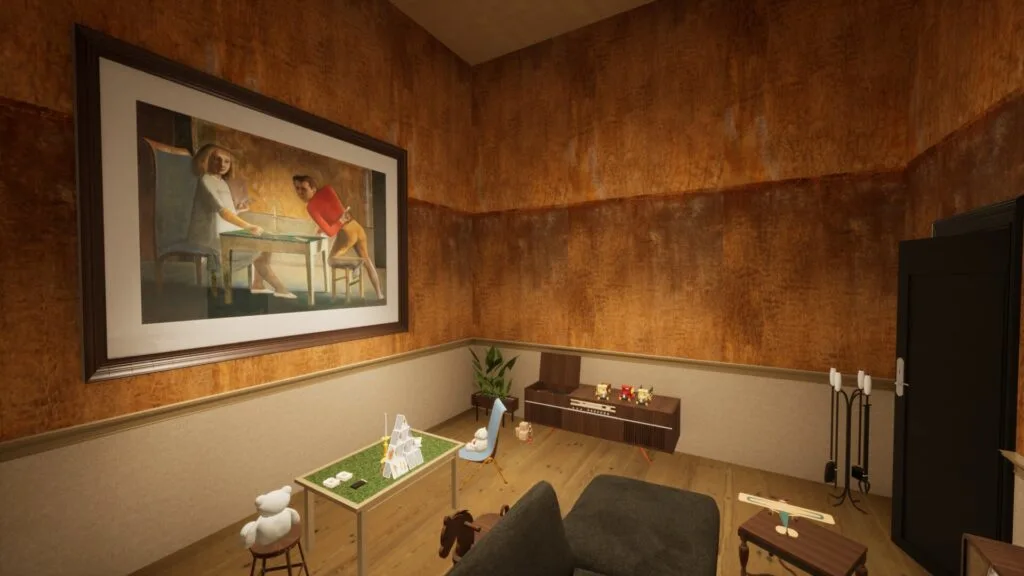
Use interaction and immersive spaces for deeper learning and understanding
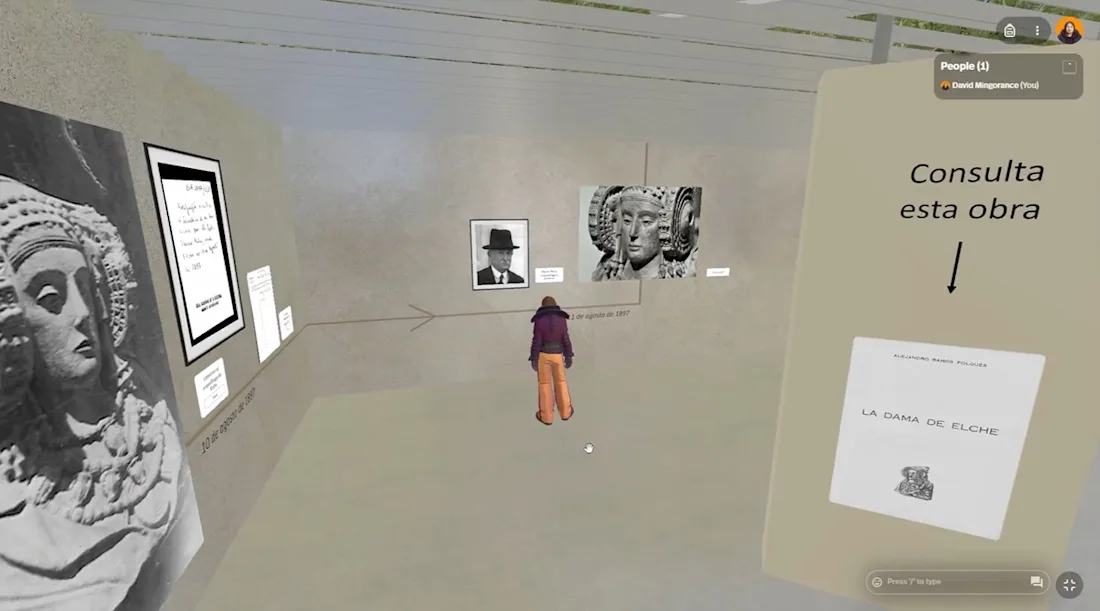
The IDEA LAB team, from the Complutense University of Madrid had already created a virtual exhibition about the Dame de Elche library. To elevate this digital experience, they recreated the exhibition in Spatial.io, adding content from Europeana.eu and Sketchfab to create a more engaging narrative. Visitors to the exhibition can experience this exhibition more deeply through this app than if they had just clicked through the gallery website in 2D.
Find out more
Discover all Built with Bits editions and the projects that have participated over the years. You can also discover more about the projects (in Spanish) and explore the Built with Bits website.