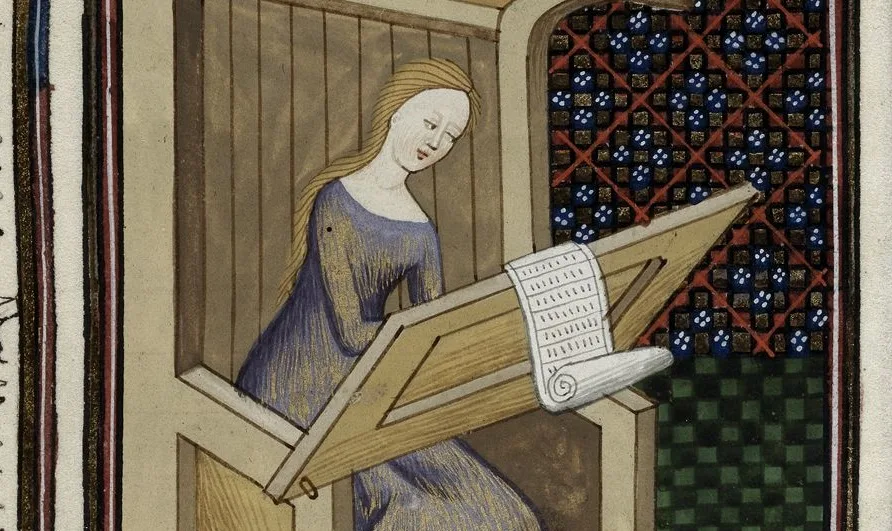
The Teaching with Europeana blog is the new platform for educators of all subjects searching for lesson plans that are engaging, innovative and easily adjustable to their curricula.
The learning scenarios have been developed by the Europeana Teacher Ambassadors and the Europeana Education User Group. These are a total of 130 teachers in primary, secondary and vocational education from across Europe, coordinated by the European Schoolnet (EUN) and devoted to mainstream the use of digital culture in their countries.
Why use the Teaching with Europeana blog?
You will regularly find new original ideas to create meaningful learning assignments for your students using digital culture. In addition, you will have the opportunity to share your personal and your students’ experience in the ‘stories of implementation’ section. By suggesting different activities or making adjustments for a different age group or nationality you can help to enrich the existent materials and thus, creating new scenarios. For now, the scenario publication will be moderated by the pedagogical experts from EUN.
Teaching with Europeana is a great platform for teachers to:
Discover new learning scenarios with cultural heritage on various subjects
Learn about how the Europeana learning scenarios have been implemented in classrooms across Europe
Share their experiences and discuss these with peers
Meet other teachers searching for resources and advice
Be part of a growing community
What you can find
The learning scenarios are organised in thematic categories, such as Art, Geography, History, Philosophy, Biochemistry and more. The material is currently available only in English. We will expand the topics and the languages in the coming months based on the regular publication of new material.
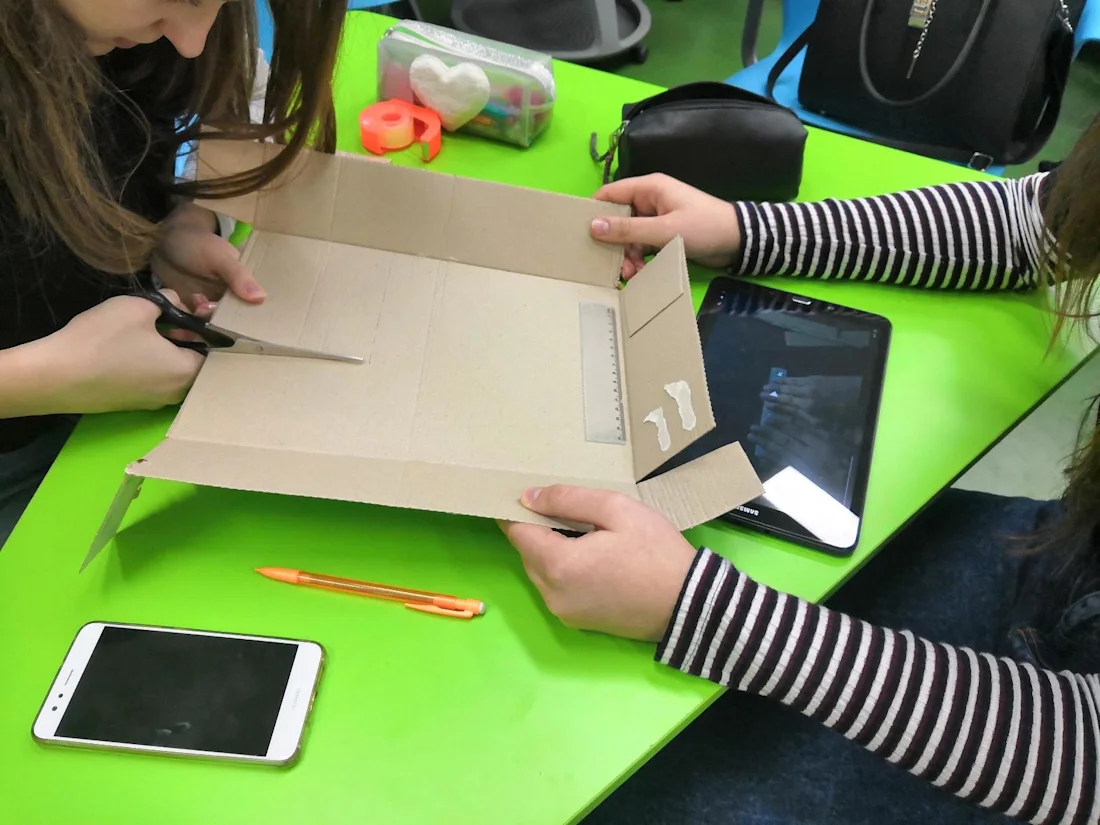
Would you like to create a virtual reality experience with Europeana stereoscopic vintage pictures in your classroom? Have a look at Rafael Montero’s learning scenario and organise a do-it-yourself (DIY) activity to inspire your students to learn about art and architecture.
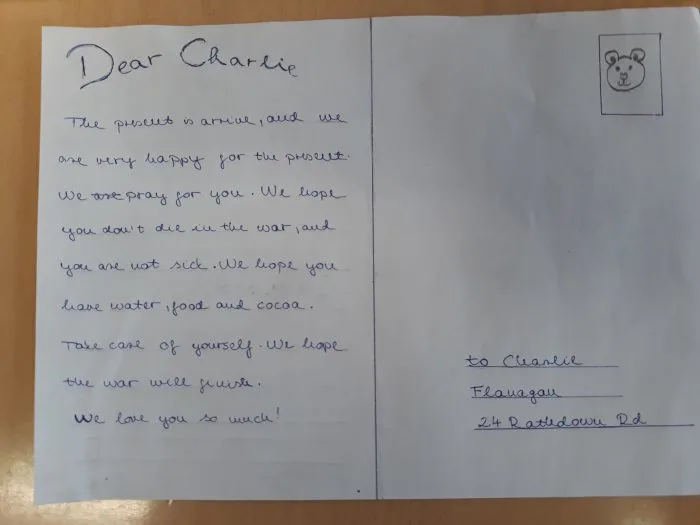
If you are more interested in a history lesson and a language learning exercise, read how Judit Benedek did the ‘Letters and Postcards from War Times’ implementation.
Would you like to find other examples? Browse our latest scenarios and learn how to integrate cultural heritage materials in your classes!