How have your audiences reacted to this project?
At the time, people were voting with their participation. We opened a subscription model and a tip jar and got so many subscribers and donations that it exceeded our retail offer from the previous year.
All we’ve heard from people is ‘more please’. More courses. More festivals. Please keep doing these things because it makes things possible that wouldn’t be otherwise for financial or health or climate reasons.
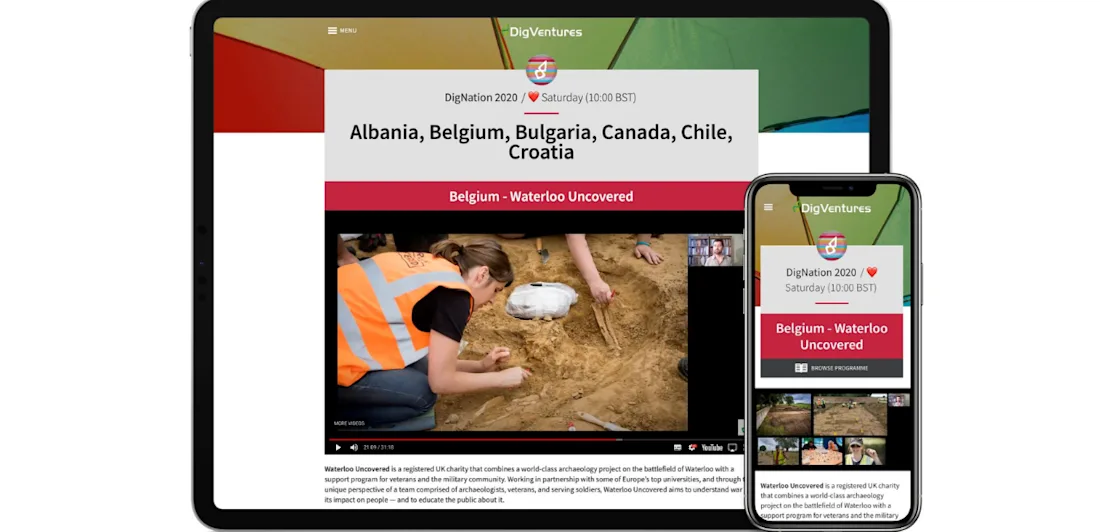
One of the big effects on our business has been that what we called the ‘fifth trench’ - our digital and outreach wing - has become a 50% arm of our business, whereas before it was always subservient to what was going on in the physical trenches. Now we have the trenches and we have the digital. It really has changed how we operated as a business.
What have you learned about working with digital cultural heritage from this project?
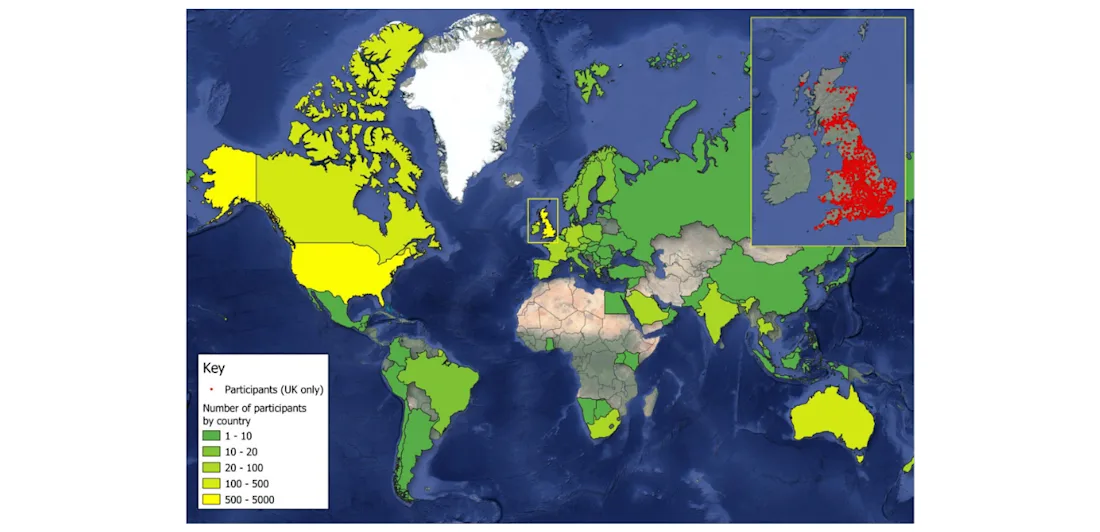
We’ve learned that the audiences are absolutely limitless and are very happy and willing to throw themselves into what you’re doing with participation as well as money. The ‘how do we make money out of this’ question is what’s preventing some big European cultural heritage institutions from taking digital seriously: they can’t see how doing cultural activity online is going to help because all they think about is euros and cents. I would agree that it’s definitely not an immediate gratification thing, but if you lean into it, have a good strategic plan for how digital is going to feed into your bottom line beyond just finances, then you’re going to see those huge benefits flowing into your organisations.
What difference does winning an award like this make to your project/future work?
We’re incredibly proud. When the pandemic hit, we all really struggled - and then something magical happened. To have it recognised on a European level for its innovation, which is at the heart of what we do, is so important.
The award put us in touch with a community of peers which we’ve really struggled to reach before. Meeting some of the other winners, for the first time we felt like we were talking to people who spoke the same language as us in terms of working with cultural heritage. It’s opened avenues. It’s just awesome.
We are inspired to continue to try to bring our work to the attention of people outside of the UK. Europe is more open-minded about the value of culture than the UK, which is at war with itself over culture. Everything we see coming out of Europe is saying ‘more culture’, culture is what’s going to bring us back from the edge. We want more of that. That’s the conversation we want to be in.
Follow DigVentures on Twitter, Facebook, LinkedIn, YouTube, Flickr and Instagram.