The case studies focus on the work of two prominent members of the Photoconsortium Association and long-term partners and content providers to Europeana: renowned international university KU Leuven and the municipal audiovisual archive of the city of Girona, managed by CRDI, the Centre for Image Research and Diffusion.
The case studies showcase how sharing high-quality, open access content with Europeana has benefited both institutions, and analyse the digital transformation strategies of the two different institutions. Read on to discover the findings!
The Journey of KU Leuven’s Library Collections in Europeana
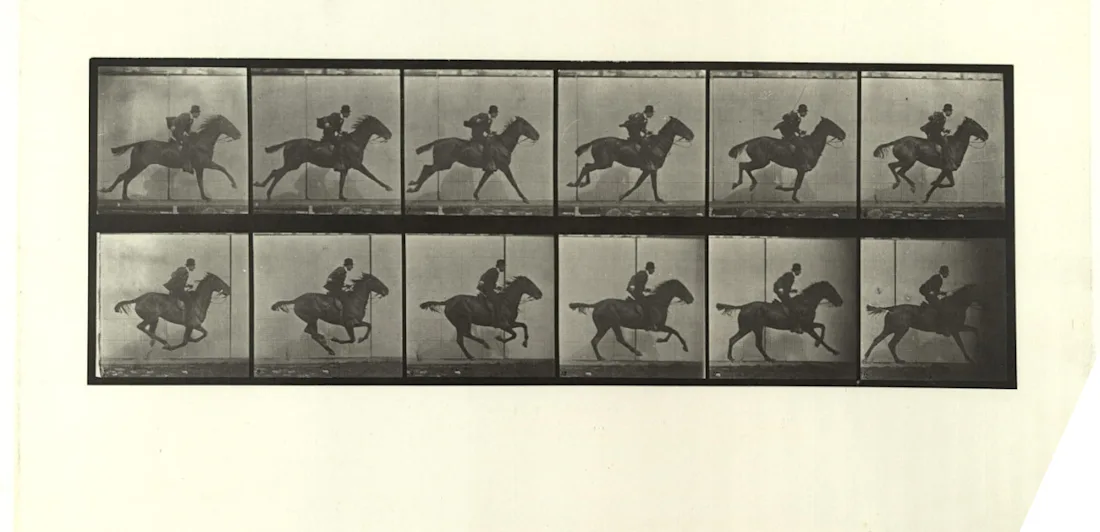
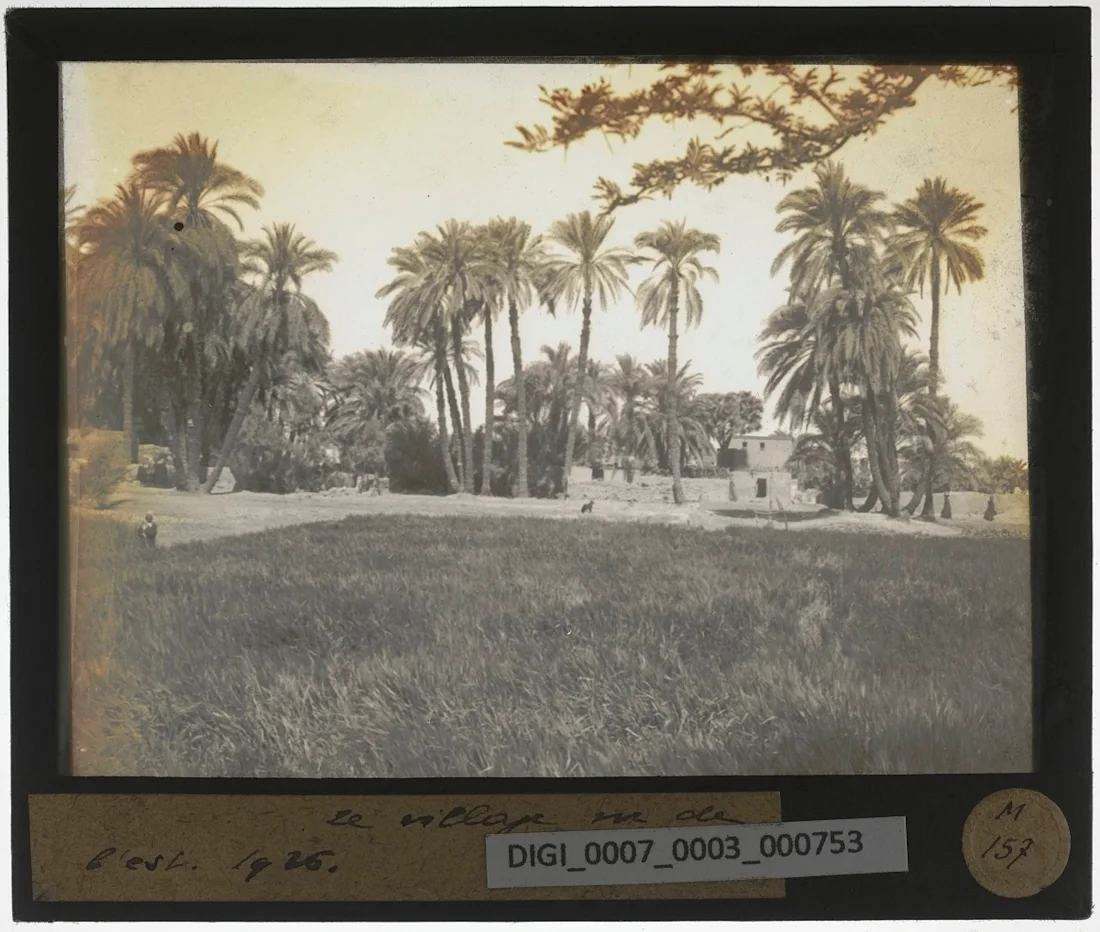
Currently, KU Leuven’s collections in Europeana include around 34,000 cultural heritage items, which comply with the highest quality levels of the Europeana Publishing Framework. Most of the content is available in high resolution and open access - all the images are either in Public Domain or free to reuse.
The items are varied, including portraits, historical documents, engravings, travel photographs, educational photographs of monuments, paintings and other cultural items used for teaching art history. KADOC, the University’s documentation and research centre, housing a beautiful collection of photographic heritage materials, has also aggregated content to Europeana.
How did this happen? The question is answered in the Photoconsortium case study, which shares the story of the University’s approach to digital transformation, from the development of early Information Technology for teaching to the present day, where a top quality lab is in charge of digitising the holdings of KU Leuven’s Libraries. The Libraries work to ensure that all published content that is identified as Public Domain is labelled and published as such, while copyrighted content is intended to be shared as CC-BY label where possible; and of course KU Leuven complies with the Orphan Works directive as implemented in Belgian law when needed.
Publishing collections in Europeana could be considered to not be a ‘core’ mission for a University like KU Leuven and its libraries and archives, which are intended to support research and university teaching and learning. However, publishing these open collections in Europeana and contributing to their digital curation has proved to serve the University’s core missions – research and education – by showcasing the collections in editorials and by enabling reuse through educational tools such as Historiana, MOOCs and with students’ works.
‘Well begun is half done’: sharing high quality collections from the archives managed by CRDI, the Centre for Image Research and Diffusion in Girona
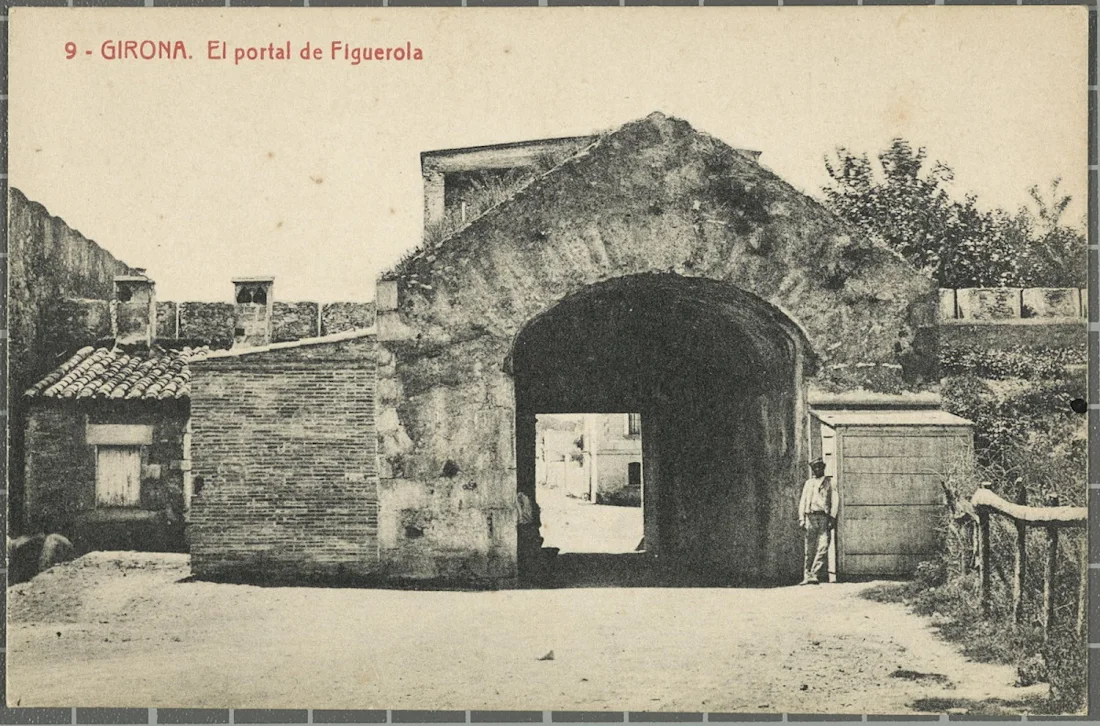
CRDI has been a content provider of photography collections in Europeana since 2012. Since then, CRDI’s collections prepared for publication in Europeana amount to around 400,000 digitised cultural heritage objects. A large part of those are currently being republished with higher quality of data and metadata: at the time of writing this post, users can find in Europeana over 146,000 photographic top quality items that are available for consultation and reuse. Around 14,000 items are open access and fully reusable, and their metadata is also of high quality, including contextual information about the items in the collections.
The policy of CRDI in terms of reuse and licensing is oriented towards openness, and the rights labels that CRDI applies to the Europeana items are either Public Domain where applicable, No Copyright, or CC-BY-NC-ND.
The case of CRDI’s collections exemplifies the approach of the Europeana Publishing Framework’ that ‘the more you give the more you get’. High quality and reusable collections are best positioned for gaining visibility in Europeana with their inclusion in blogs, galleries, exhibitions and learning materials. The photographic materials made available online by CRDI are also perfect for reuse in the educational realm, as seen in the learning scenario Colourful culture in the 1950s, which was curated by Photoconsortium for Europeana Education as part of the Blue Skies Red Panic exhibition; and reusable collections for e-learning activities that are currently available on the page of Photoconsortium in Historiana, the educational tool developed by Euroclio.
Find out more
On the Photoconsortium website, you can read the full case studies of KU Leuven and CRDI. If you are a cultural heritage professional interested in learning more about sharing your own collections with Europeana, visit Europeana’s ‘Share your data’ page.