Engaging young people with cultural heritage - a priority for Europe
In her political guidelines for the European Commission 2024 - 2029, European Commission President Ursula von der Leyden writes that, ‘We will focus on the things that make up our European way of life: our culture and history. I want to make it easier for people – especially younger generations – to benefit from our rich and diverse cultural heritage.’
This is a goal which Europeana - in our role as the deployer of the common European data space for cultural heritage - contributes to with our new and exciting partnership with the European Youth Parliament, one of Europe’s largest youth platforms for civic education, intercultural encounters, and the exchange of ideas – run by young people, for young people.
A partnership and programme of events
The formal partnership has seen the Europeana Foundation support the European Youth Parliament's project ‘The Hague 2025 - Young Visions of Peace and Security’, which took place in early April.
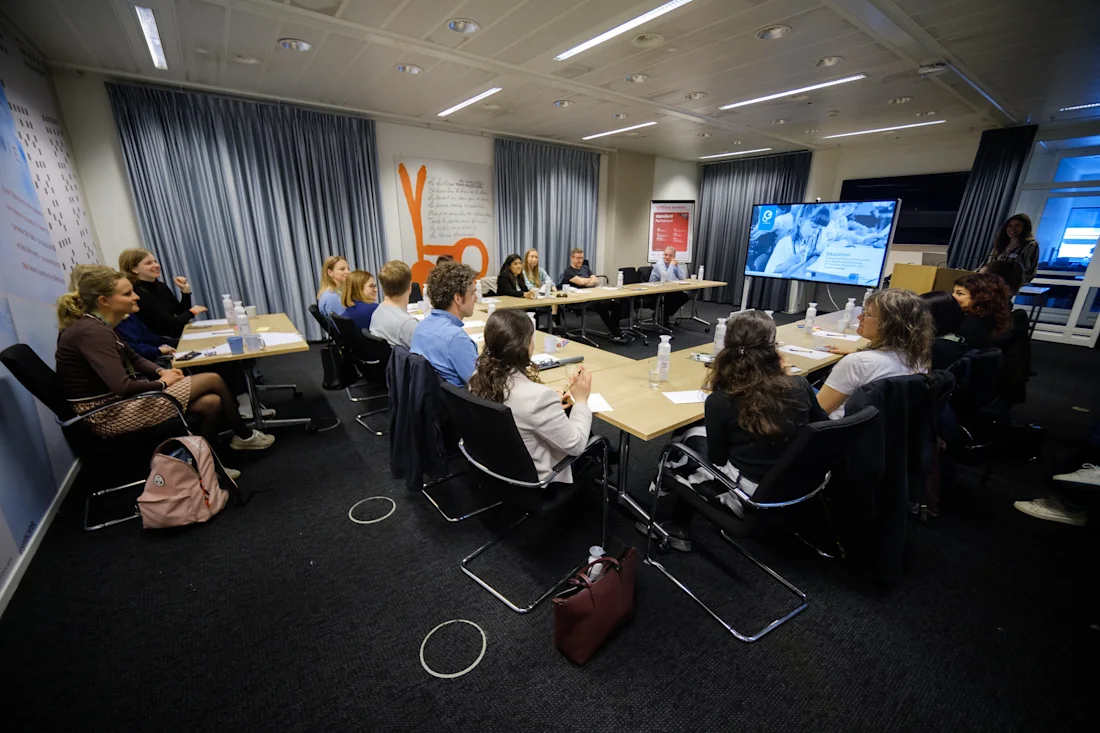
During this week, we held workshops for delegates, organisers, volunteers and other participants of the European Youth Parliament session which supported the development of skills around media literacy, licensing for digital objects and the educational potential of digital cultural heritage.
Skills Lab workshop
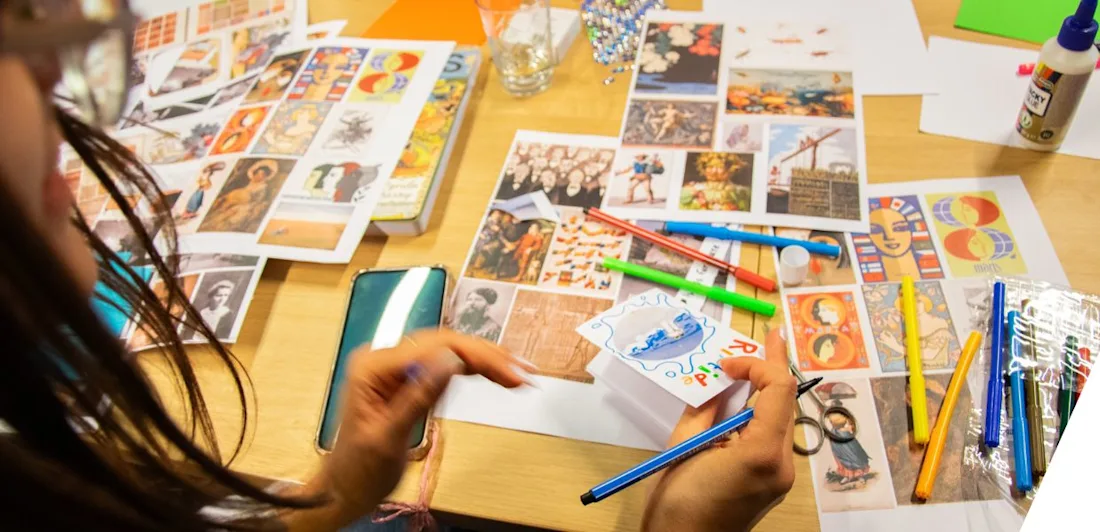
The events kicked off with a design lab workshop on images for impact. Participants were guided in using images from Europeana.eu to amplify and illustrate their messages, for example on posters and social media. The workshop demonstrated the value of cultural heritage data, emphasised the importance of media literacy, and demonstrated how to search and find Public domain images.
Teachers programme
After the Skill Lab, a workshop for teachers showcased the educational potential of digital cultural heritage, how it could be incorporated into classrooms, and how to work with Europeana.eu to support this. It also highlighted initiatives from across Europeana which relate to media literacy and supporting young people to have constructive interactions online. This included the Watching Videos Like Historians Erasmus + project and its newly launched course on the Europeana Academy; the Built with Bits programme, where participants learn how to create virtual environments addressing issues of social relevance in their local contexts; and our partnership with the Anne Frank House, who facilitated a workshop on the Stories that MoveToolbox which offers educators resources to teach about diversity and discrimination, guided by young people’s real stories and experiences.
Remembrance Evening
On 9 April, we joined EYP participants for a Vrijheidsmaaltijd (a freedom meal) - a tradition which normally takes place in the Netherlands on the 5th of May (aka Liberation Day) to celebrate freedom from war. At the meal, attended by more than 200 delegates, we presented the Europeana 1914-1918 collection (and the crowdsourcing project that lay at its basis) using digital objects to tell a moving story about war, freedom, and the importance of cultural memory.
Zine-making workshop
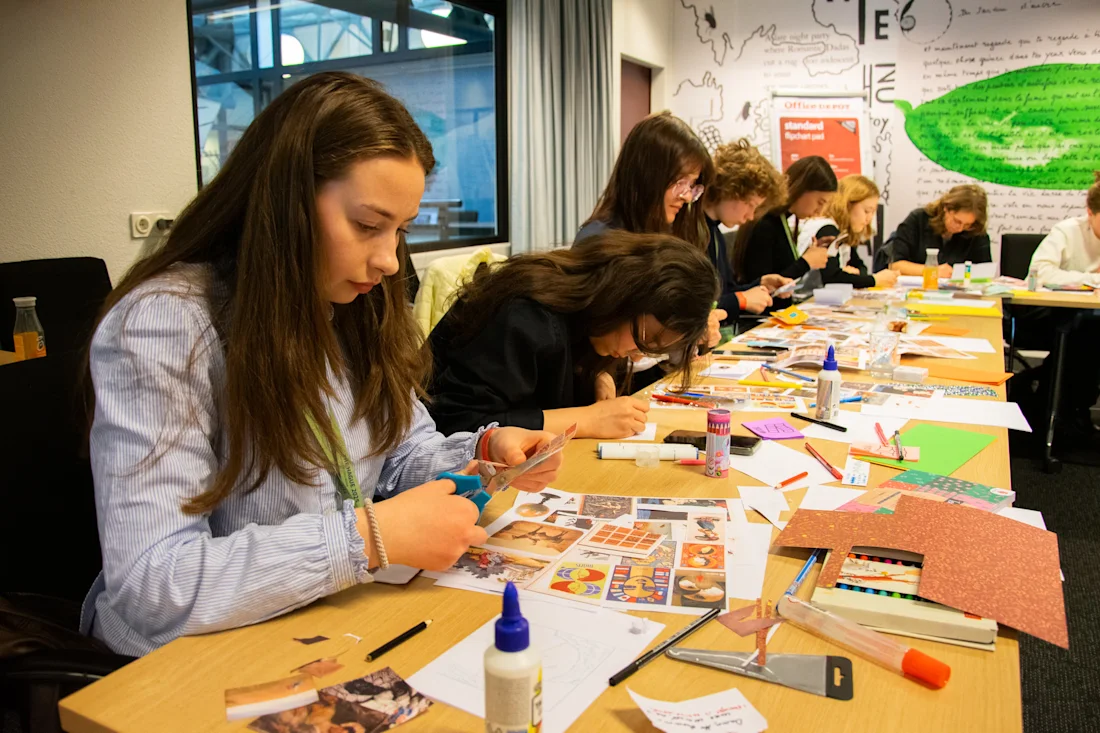
At the Europeana Foundation office, we ran a workshop exploring activism and self-publishing with EYP delegates using data from Europeana.eu. Participants made a physical zine, engaged in storytelling activities, and enjoyed expressing themselves creatively through artistic activity.
Expert for the Committee on Culture and Education
Finally, we supported the work of the Committee on Culture and Education (CULT). The committee’s mission was to draft a resolution on the crucial issue of freedom of artistic expression in Europe, with proposals reflecting the shared consensus of all members. We provided insights, shared expertise, clarified relevant policies and addressed questions from the committee, supporting a critical and informed approach to the issue.
Civic participation and engagement
Through these events, and the wider partnership, Europeana is committed to supporting youth civic engagement and democratic participation through digital cultural heritage. We firmly believe that digital cultural heritage can play a pivotal role in building more open, inclusive, safe and democratic societies by encouraging hands-on, critical participation. This is particularly important for young people, who are navigating a digital landscape where misinformation and fake news are on the rise. In the face of these challenges, which threaten democratic values, erode mutual trust, and fuel polarisation, it is all the more important to empower youth with the tools to engage critically and constructively in shaping society - including in the digital realm.
Get in touch!
Would you or your organisation would like to work together on an event or activity for younger audiences? Contact us at [email protected].