Please introduce our readers to the Khalili Collections.
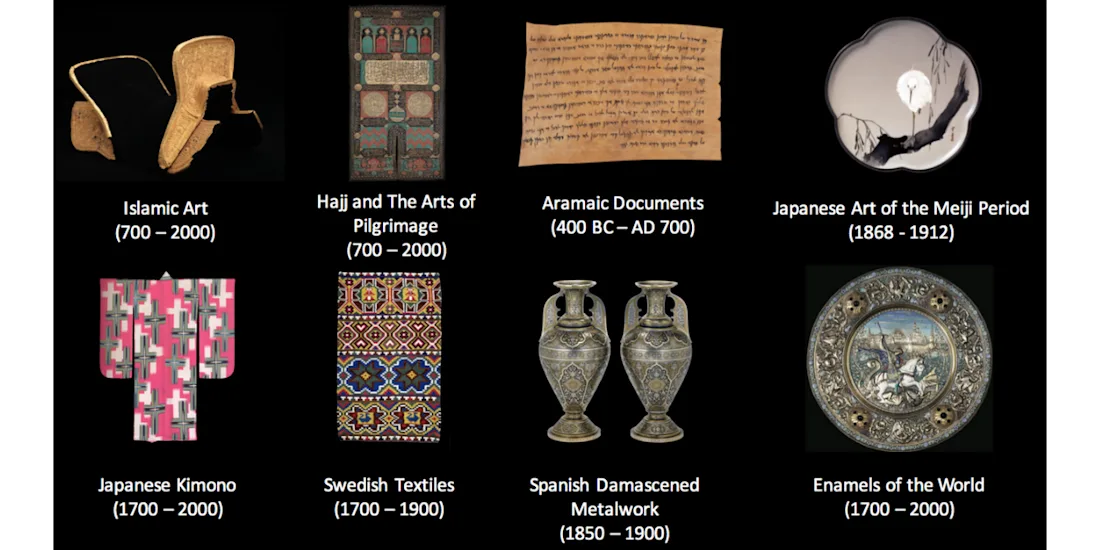
The Khalili Collections was born five decades ago out of the vision of our founder, the world-renowned scholar, collector and cultural philanthropist, Professor Sir Nasser D. Khalili. In the spirit of preservation and custodianship, he assembled eight of the world’s finest art collections – each on its own merit being the largest and most comprehensive of its kind.
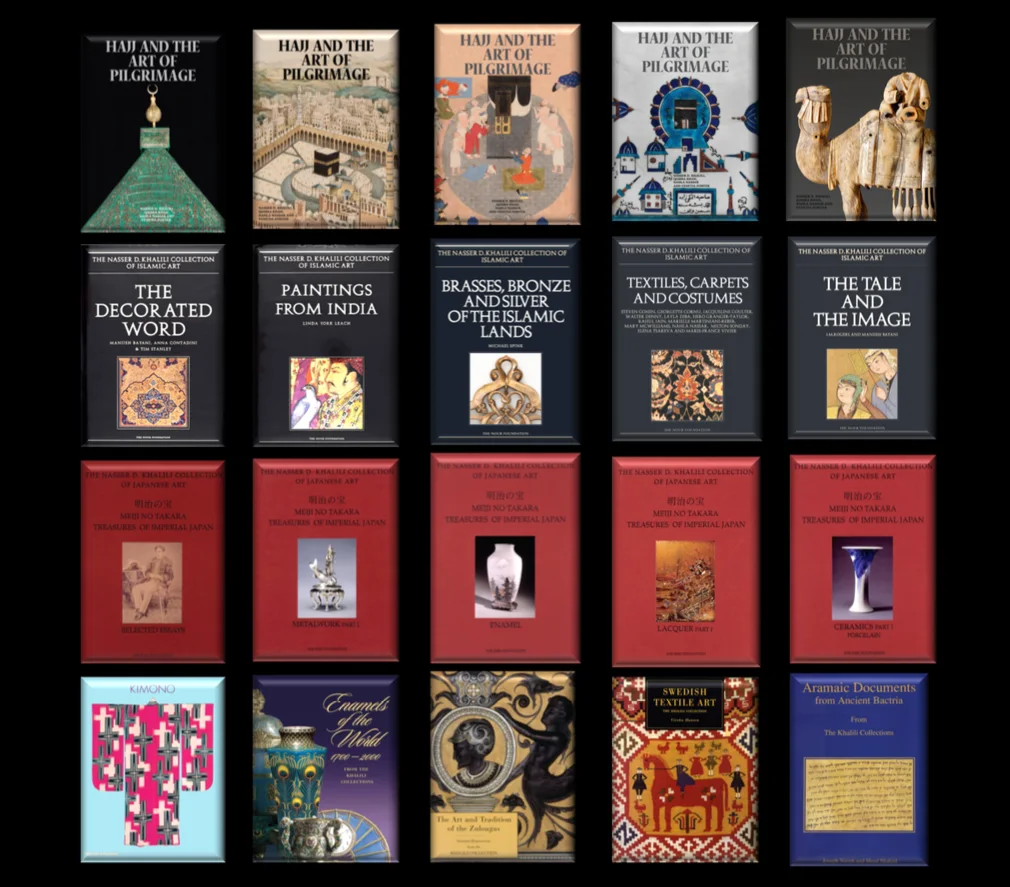
Together, the eight collections comprise some 35,000 magnificent works, many of which have been exhibited at prestigious institutions worldwide. Each work of art has been meticulously conserved, researched, catalogued and published as part of what is considered to be one of the most ambitious art scholarship projects in modern history. Eighty of over a hundred planned volumes have already been published, a project led by Sir David and with contributions from the world’s leading experts in each respective field.
What inspired the Khalili Collections to partner with Europeana?
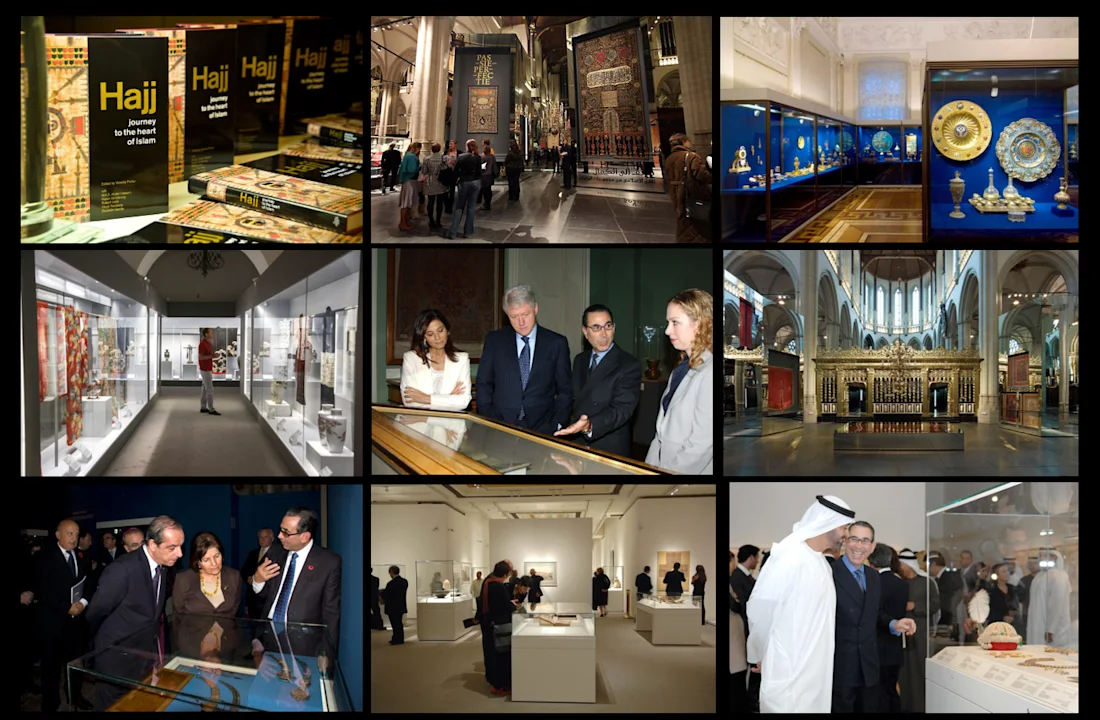
Over a number of years, the Khalili Collections has undergone a major digitisation project in order to make its eight collections more accessible to the general public. The majority of the approximately 35,000 works in the collections have now been photographed (and in some cases filmed) in high definition. Digitised highlights can be accessed here, and most of these are either open access with a creative commons license or are in the process of becoming open access. The digital assets are used for a variety of projects such as publications and catalogues, exhibitions, websites, social media campaigns and other digital initiatives. We have since developed a strategy to leverage 21st century technology to give art lovers the optimal visual experience.
We have long been impressed with both the content and reach of Europeana as a pioneering digital platform and educational resource. The content is beautifully presented in a manner that inspires and informs. So this partnership is an important milestone in our commitment to sharing important cultural stories via the vast heritage in our eight collections. We are excited by what we can achieve together in ensuring that as many people as possible are enriched with beauty from all over the world. After all, art is a universal language that transcends all boundaries!
Which areas will the partnership focus on?
The Khalili Collections’ strength is in its diversity – both in terms of content and ethos. We are proud to have one of the most geographically, culturally and creatively diverse collections in the world. This diversity takes many forms including culture, geography, time period, religion and artistic medium. Given that Europeana is committed to diversity and inclusion in many areas of its work, including the stories it tells, we plan to focus on enriching the content with cultural artefacts and stories from around the world that are currently less represented on the platform. Given that we have over 100 publications and five decades of expert scholarship to draw from, we have many stories to share with the world!
What are the first fruits of the partnership that our readers can look forward to?
We plan to curate four features dedicated to the role of women in the history of world art. Starting in March (as it’s Women’s History Month), they will each relate to a different collection, and spotlight areas where women have been predominantly involved in the creation of the artworks.
Firstly, we will highlight works from our collection of Japanese Kimono, which as many know were largely produced by and for women over the last four centuries. Then, staying with Japan, we will draw attention to the remarkably intricate silk textiles produced by Japanese women during the Meiji era; textiles that are made with such precision that many of them could be confused for realist oil paintings! Moving on to a different form of the same medium, we will bring into focus our collection of Swedish textiles, which were produced by women in the region of Scania in 19th century Sweden. Finally, we will use the stories of masterpieces in our largest collection – Islamic Art – to challenge misconceptions about women in the history of Islamic culture.
Explore Women’s History Month on Europeana.eu – and look out for guest editorials from Khalili Collections soon!