Europeana encourages cultural heritage institutions to open up their digital collections for reuse. One of the ways this can be made possible is through assigning your content standardised and interoperable rights statements that make the reuse possibilities for each item clear. Using open rights statements (including PDM, CC0, CC BY, and CC BY-SA) encourages users to creatively interact with the material you publish - for example, in the annual GIF IT UP competition which challenges people to use openly licensed digitised cultural heritage material to produce unique GIFs and share them online! Read on to see from the GIFs themselves the benefits of opening up collections for reuse.
1. To give content another life
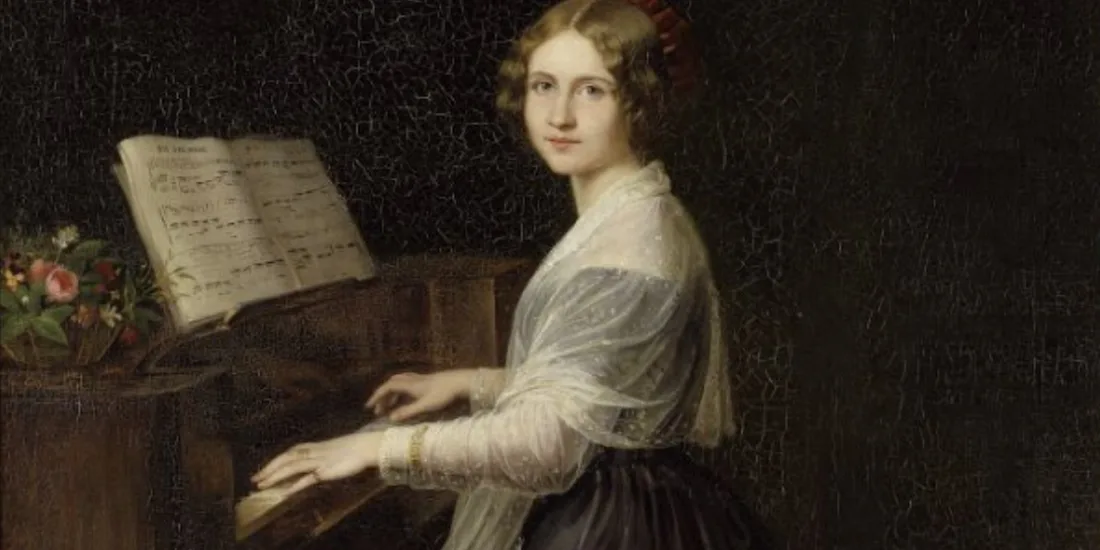
The portrait above shows Jenny Lind, a Swedish opera singer who took the USA by storm in the 1850s, and comes from the collection of Nationalmuseum in Sweden. A recent blog from the Europeana collections website celebrated the 200th anniversary of her birthday. A few days after we published it, the painting had been animated and shared for GIF IT UP, bringing Jenny to new audiences!
But that’s not the end - we’ll be highlighting Jenny again during Women’s History Month in March through further editorial.
2. To allow content to be used in education
Openly licensed cultural heritage content is used to create learning scenarios and shared with new generations of students.
3. To remain relevant
Your content can help the past meet the future and encourage people to express themselves about things important to them and to the world.
4. To gain visibility
This animated GIF created from a WWI postcard has received over 229 million views and it’s featured on GIPHY among pop-culture and contemporary expressions of love.
5. To introduce people around the world to your content
Not everyone will visit your museum, library or archive. But digitally, you can give people around the world a chance to discover and enjoy your content. For example, in the GIF below a creator from Berlin has used content from Japan Search:
6. To be able to share a bigger part of your collection
People using your digitised content might do it with totally different eyes and for other reasons than the visitors of your museum, gallery, library or archive. And the things they’re created from your material might be unexpected and surprising too.
7. Because you can start small
In July, DAG Museums in Kolkata opened 13 artworks for a pilot local edition of GIF IT UP in India. These artworks have already been remixed in so many different ways and share widely on social media. DAG Museums are a partner in the global edition of the contest. Explore some of the submissions from GIF IT UP India.
If you’d like to learn more about sharing your collections, visit our ‘Share your data’ page and read our guidance on copyright.