Supporting best practice and strong infrastructures across Europe
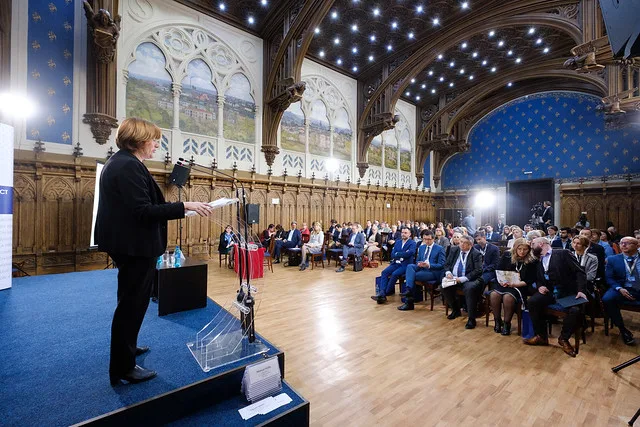
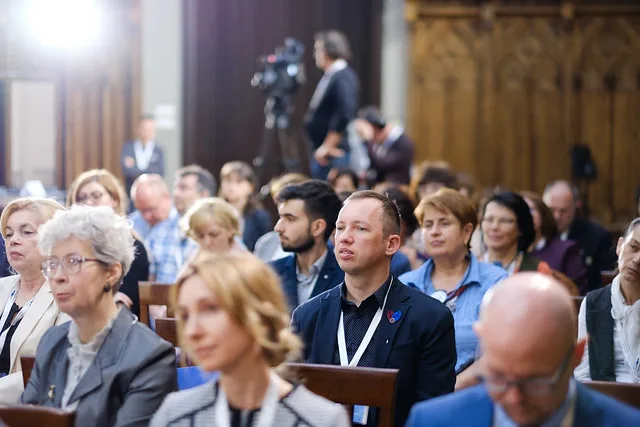
Last week in Iași, Romania - under the umbrella of the Romanian EU Presidency - Europeana brought together stakeholders from across Europe to explore the next horizon of infrastructure needed to support digital cultural heritage. 90 officials, policymakers and practitioners examined the positive impacts and the challenges of making cultural heritage available on the web for heritage institutions.
Speakers included Mihai Alexandru Gherghe, Secretary of State from the Ministry of Culture, Lăcrămioara Stratulat, Manager of ‘Moldova’ National Museum Complex and Bogdan Trîmbaciu, Director of Project Management Unit, Ministry of Culture and National Identity.
Interoperability and cooperation emerged as the keywords of the day and pointed to the foundations needed to consolidate and secure the cultural heritage sector’s place in Europe’s digital future.
There is a clear case that investment in digital platforms and infrastructures - like the Europeana platform - must be matched with continued investment in robust policy and reliable infrastructures, at national and European level.
Keynote speaker Gail Kent, Director CNECT G. Data at the European Commission said, ‘Millions of content items on Europeana would have not been possible without national support, national infrastructures and over 3,700 institutions themselves opening up their collections online and contributing to this EU initiative’.
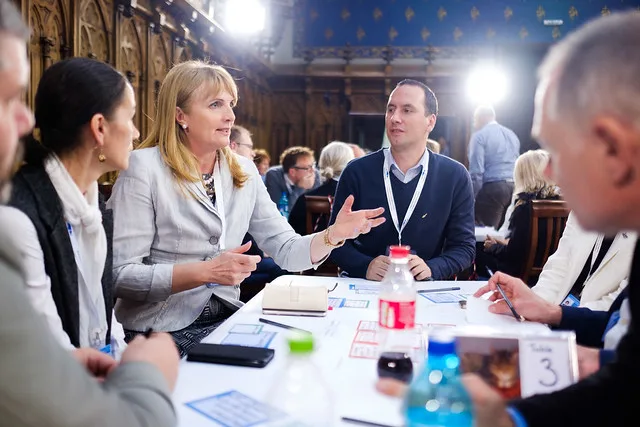
Working in groups, participants were invited to share their own experiences of challenges and opportunities from working within their own aggregation systems with each other. They identified where they share common ground and what refinements or changes they think are needed to build on their experience.
Workshops, plenary and feedback sessions saw delegates develop a series of ideas, recommendations and shared issues that have been surmised and delivered to form a number of strategic recommendations to tackle the issues of national and European infrastructure investment.
Recommendations
As resultant of discussions and sharing throughout the event, three principles for building a strong national approach were identified and agreed upon with the delegates.
- National Strategies should achieve more than enabling a national aggregator -
A published strategy should be agreed upon by the local CHI sector and supported by policymakers. - Having a standard on paper is not enough: it needs to be supported on a local level -
Adoption of international standards requires local environments that create opportunities to learn, share and access resources and expertise. - Individuals are the drivers of motivated and sustainable communities -
Local communities are essential tools to agree on and implement shared standards and practices towards increasing access to higher quality data
What next?
Europeana - together with representatives from this meeting - is developing a paper that builds on these principles. This paper will both illustrate and articulate the thoughts, ideas and recommendations which came out of the conversations, observations and strategic planning in Romania. As part of this paper, recommended actions to support the aforementioned principles will be outlined at Ministerial level, as well as actions for cultural heritage institution and the Europeana Initiative.
For more information on the event, read the presentations and see the images. Visit Europeana Pro for updates on the publication of the recommendations paper.